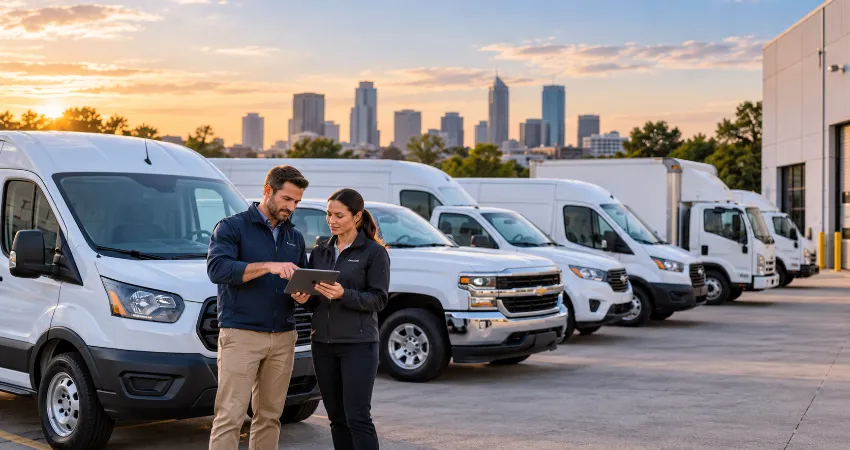

Choosing the best general liability insurance for small businesses in the USA is less about finding one company that works for everyone and more about matching coverage to the way your business actually operates. A consultant working from home, a retail store serving customers every day, and a contractor working at client locations can face very different liability exposures. The right insurer should therefore offer appropriate coverage, reasonable limits, practical policy management, and dependable support when a claim occurs.
General liability insurance can help protect a business from certain third-party claims involving bodily injury, property damage, personal injury, advertising injury, and related legal defense costs. It may also be required by a landlord, client, licensing authority, or commercial contract. However, policies contain exclusions and coverage limits, so business owners should compare the actual policy terms rather than selecting a carrier based only on a headline price.
This guide compares several leading options for U.S. small businesses using a practical buyer-focused approach. The goal is not to declare one universal winner, but to identify which insurers may be better suited to different business situations.
What General Liability Insurance Usually Covers?
A typical commercial general liability policy is designed around third-party risks created by normal business operations. Common examples include a customer being injured at your premises, your employee accidentally damaging a client’s property, or your business facing certain claims connected with advertising. Policies can also provide legal defense and help pay covered settlements or judgments, subject to the policy’s conditions and limits.
General liability normally does not replace workers’ compensation, commercial auto insurance, professional liability insurance, cyber coverage, or commercial property insurance. A business that provides professional advice, owns valuable equipment, operates vehicles, or employs workers may therefore need several policies rather than general liability alone.
Best General Liability Insurance Companies for Small Businesses
1. ERGO NEXT
ERGO NEXT, formerly known as NEXT Insurance, is particularly attractive to small businesses that value speed and self-service. The company says it serves more than 1,300 types of businesses and allows eligible customers to obtain quotes, purchase coverage, manage policies, and access documents online. General liability customers can also generate and share certificates of insurance without an additional certificate fee.
This can be valuable for freelancers, cleaners, small service companies, tradespeople, and other businesses that frequently need proof of insurance before starting work. ERGO NEXT advertises general liability pricing starting at $19 per month for some eligible businesses, but actual premiums vary substantially by profession, location, revenue, payroll, coverage limits, and risk profile. Its strongest advantage is therefore convenience rather than a guaranteed low price.
2. Hiscox
Hiscox has a strong focus on small-business coverage and is worth considering for consultants, marketing professionals, technology businesses, designers, health and beauty professionals, and many other service-oriented operations. Eligible businesses can obtain quotes online, and Hiscox offers general liability alongside professional liability, cyber coverage, and business owner’s policies.
A useful feature for service businesses is the ability to build protection around different exposures rather than treating every company identically. Hiscox also provides online access to certificates of insurance. Businesses that provide advice or professional services should pay particular attention to professional liability because general liability alone normally does not cover claims arising from professional errors or negligence.
3. The Hartford
The Hartford is a long-established commercial insurer with extensive small-business coverage. Its general liability protection can address covered claims involving bodily injury, third-party property damage, personal and advertising injury, legal expenses, medical payments, and products-completed operations. The insurer also offers business owner’s policies that combine liability with commercial property and business income coverage.
The Hartford reported that its small-business customers paid an average of about $68 per month for general liability insurance as of its May 2026 update. That figure should only be treated as a reference point because individual premiums can be very different. Business owners should also confirm eligibility for their specific occupation, since availability varies by industry and state.
4. biBERK
biBERK is part of the Berkshire Hathaway Insurance Group and focuses heavily on small-business insurance sold directly to customers. Businesses can request quotes online, manage policies, obtain certificates of insurance, and report claims digitally. This straightforward model may appeal to owners who are comfortable researching their needs and prefer dealing directly with an insurer.
biBERK offers general liability for many business categories, but eligibility still depends on the company’s underwriting rules. Its online system can make comparison shopping easier, especially for owners who already know the coverage limits and endorsements they require.
5. Chubb
Chubb deserves consideration when a small business is becoming more complex and expects its insurance program to grow with it. Its commercial general liability products include standard liability protection along with options and specialized capabilities for businesses with more complicated exposures. Chubb also emphasizes risk consulting and specialized claims expertise.
For qualifying smaller companies, Chubb’s business owner’s policy is available across hundreds of business classes and can serve companies with annual revenue of up to $30 million. This makes Chubb particularly interesting for an established company that needs more than a basic online liability policy and wants broader property, liability, or industry-specific options.
6. Nationwide
Nationwide may suit owners who prefer discussing their risks with an agent rather than completing the entire purchase independently online. Its general liability policies can address medical expenses, legal costs, damages, and other covered third-party claims. Nationwide also offers endorsements that can modify a basic policy for particular business needs.
This approach can be useful when a company’s operations do not fit neatly into a simple online questionnaire. An experienced agent can help explain differences in limits, endorsements, exclusions, and related policies, although the business owner should still compare competing quotes before making a final decision.
How to Choose the Right General Liability Policy?
Start with your actual exposure rather than the insurer’s advertising. Write down where you work, whether customers enter your premises, whether employees work at client locations, what products you sell, what contracts you sign, and how serious a realistic third-party injury or property-damage claim could become. This creates a better basis for comparing policies.
Next, request comparable quotes. Make sure each quote uses similar limits and coverage assumptions. A cheaper policy with narrower protection is not necessarily a better deal. Review exclusions, products-completed operations, damage to rented premises, medical payments, additional-insured options, deductible requirements, and certificate procedures.
For many small businesses, a common starting point in the market is a $1 million per-occurrence limit with a $2 million aggregate limit, although that structure is not automatically appropriate for every company. Contract requirements, business assets, customer traffic, industry risks, and potential claim severity should influence the final amount.
General Liability Vs. a Business Owner’s Policy
If your main concern is liability to customers and other third parties, standalone general liability may be sufficient. If you also need protection for business equipment, inventory, furniture, or premises, a business owner’s policy may offer a more complete solution. A BOP commonly combines general liability with commercial property coverage and may include business income protection.
Owners should compare the cost and coverage of a BOP against buying policies separately. The most suitable structure depends on the company’s assets and exposures, not simply on its number of employees.
Practical Point Most Buyers Overlook
The cheapest quote is not always the least expensive policy in practice. Imagine two insurers differ by only a small amount each month, but one provides instant certificates, easy additional-insured changes, clear online documents, and coverage that matches your client contracts. For a business regularly submitting proof of insurance, those operational advantages can save substantial administrative time.
Before purchasing, take one real client contract or lease and compare its insurance requirements with the proposed policy. Check the required limits, additional-insured wording, certificate requirements, and any special endorsements. This simple exercise often reveals coverage problems before they interfere with a job or agreement.
Frequently Asked Questions
1. What is the best general liability insurance company for a small business?
There is no single carrier that is best for every small business. ERGO NEXT may be attractive for digital convenience, Hiscox for many professional and service businesses, The Hartford for broad small-business coverage, biBERK for direct online purchasing, Chubb for more complex needs, and Nationwide for agent-assisted customization. The best choice depends on your industry, state, limits, contracts, and coverage requirements.
2. Is general liability insurance legally required in the USA?
General liability is not universally required by federal law for every business. However, state or local rules, professional licensing requirements, landlords, lenders, clients, and commercial contracts can require coverage. Requirements should therefore be checked for the state and industry where the business operates.
3. How much does small-business general liability insurance cost?
Premiums vary according to industry, location, annual revenue, payroll, number of employees, previous claims, coverage limits, and the type of work performed. Low-risk businesses may receive relatively inexpensive quotes, while companies with greater public interaction or physical work can pay considerably more. Personalized quotes provide a much more reliable figure than advertised starting prices.
4. How much general liability coverage should a small business carry?
Many policies are offered with limits such as $1 million per occurrence and $2 million aggregate, but that should not be treated as a universal recommendation. Review contract requirements, business assets, customer exposure, potential claim severity, and any landlord requirements before selecting limits. Businesses with significant exposures may need higher limits or commercial umbrella coverage.
5. Does an LLC still need general liability insurance?
Forming an LLC can provide important separation between business and personal liabilities, but it does not make commercial insurance unnecessary. The business itself can still face lawsuits, defense costs, property-damage claims, and other expenses. Insurance and legal entity protection perform different functions and can work together.
6. Does general liability cover employee injuries?
General liability generally focuses on injuries to third parties rather than work-related injuries suffered by employees. Workers’ compensation is designed for employee occupational injuries and illnesses, and requirements vary by state. Businesses with employees should review their state’s workers’ compensation rules separately.
7. Does general liability cover professional mistakes?
Usually not. Claims alleging that professional advice, services, errors, or omissions caused a client financial loss are generally handled through professional liability or errors and omissions coverage. Consultants and other service providers should evaluate this coverage even when they already carry general liability insurance.
8. Can a home-based business need general liability insurance?
Yes. Operating from home does not eliminate business liability. A client could be injured during a visit, the business could damage someone else’s property, or a contract could require proof of insurance. Homeowners insurance may provide limited or no protection for many business-related exposures, so the policy terms should be reviewed carefully.
9. What is a certificate of insurance?
A certificate of insurance, commonly called a COI, is a document summarizing active insurance coverage. Clients, landlords, licensing organizations, and project managers may request one before allowing a business to begin work. A certificate provides evidence of coverage but does not itself change the policy or create coverage beyond the policy terms.
10. Should I choose the cheapest general liability quote?
Price matters, but it should be evaluated alongside coverage. Compare policy limits, exclusions, endorsements, industry eligibility, claims support, certificate access, additional-insured requirements, and the insurer’s ability to support your business as it grows. A slightly higher premium can be worthwhile when the policy better matches the risks that could create serious financial loss.
Conclusion
The best general liability insurance for small businesses in the USA depends on how the company operates and what risks it needs to transfer. ERGO NEXT, Hiscox, The Hartford, biBERK, Chubb, and Nationwide each offer different strengths.
Rather than selecting a policy from price alone, compare equivalent quotes, study exclusions and endorsements, confirm contract requirements, and consider how easily you can manage certificates and policy changes. The strongest policy is ultimately the one that fits your real business exposures while remaining affordable and practical to maintain.