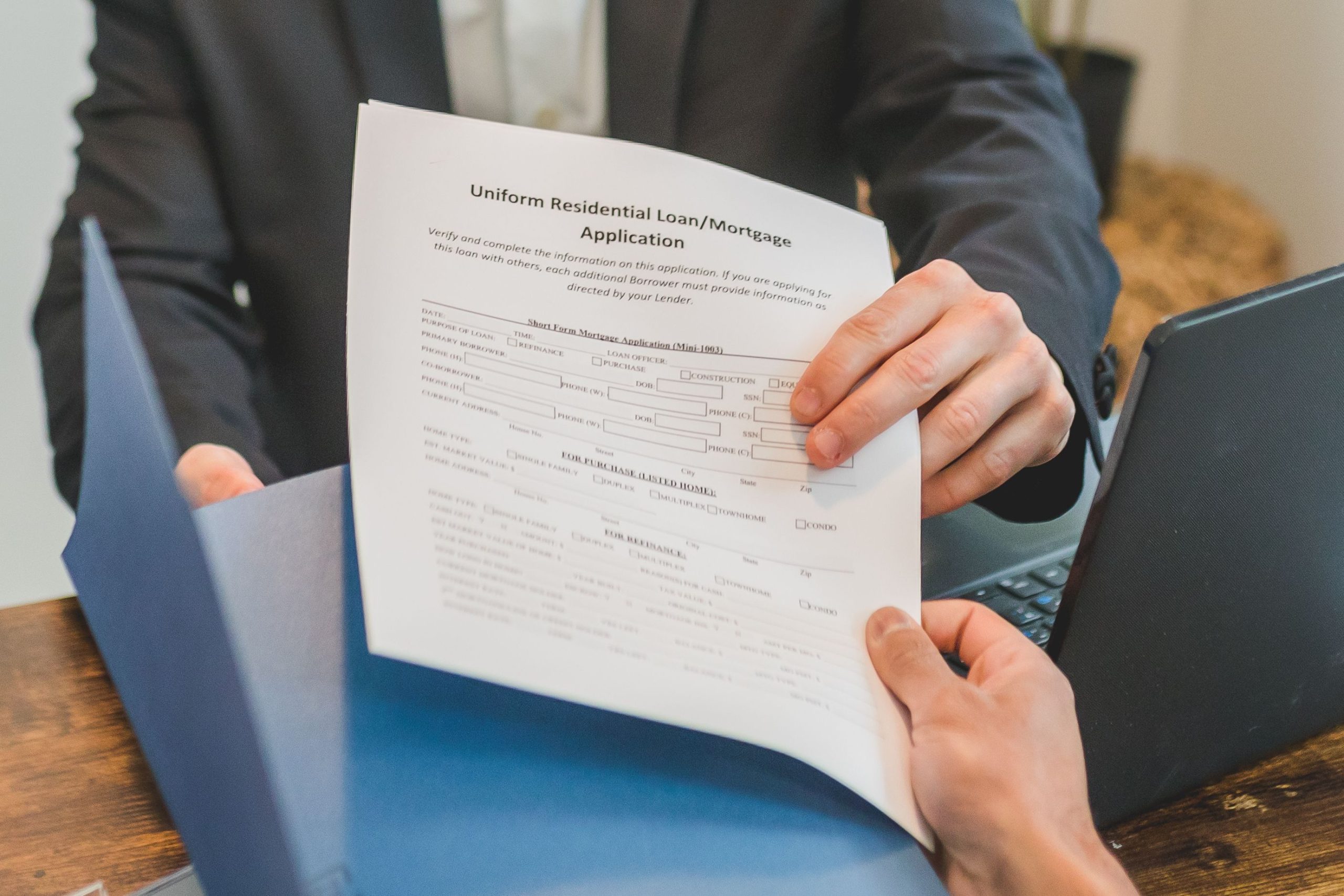
A business loan proposal is the single document that decides whether a lender picks up the phone or sends a polite rejection. Traditional banks still approve fewer than one in five small business applications, community banks land somewhere around 40 to 50 percent, and online lenders fund well over half. Yet across every lender type, the applications that get through share the same trait: they answer the underwriter’s questions before the underwriter has to ask them.
This guide walks you through exactly how to build a business loan proposal in 2026, from the one-page executive summary to the financial projections and repayment plan. Whether you are approaching a high-street bank, an SBA-backed lender, a credit union, or a fintech platform, the structure below is what loan officers are trained to look for.
What Is a Business Loan Proposal, and Why Does It Matter?
A business loan proposal is a formal written request for financing. It explains who you are, how much you want to borrow, what you will do with the money, and, most importantly, how and when the lender will get it back. It usually sits alongside your application form and supporting documents, but it is the proposal that tells the story and ties the numbers together.
Lenders are not investors. They do not share in your upside, so they care far less about how exciting your business is than about whether you can make every payment on time. A strong business loan proposal is built around that single concern. Every section should, directly or indirectly, reduce the lender’s perceived risk.
In 2026, three realities shape how lenders read proposals:
- Credit remains the first filter. Personal credit score is still the most common reason cited for denial or partial funding, according to the Federal Reserve’s latest Small Business Credit Survey. Most traditional lenders want a personal score of 680 or higher for the best terms; online lenders often go down to 600 or even 550.
- Cash flow beats collateral. Lenders increasingly underwrite on demonstrated ability to service debt rather than on assets alone. If your proposal cannot show the business generates enough income to cover payments comfortably, collateral will only partly offset that.
- Time in business still matters. Firms under two years old report much lower full-funding rates than established businesses. If you are young, your proposal has to work harder on projections, contracts, and management experience.
Before You Write: Match the Loan to the Need
The most common mistake in a business loan proposal happens before the first word is typed: asking for the wrong product. Matching the right loan type to your situation dramatically improves approval odds.
| Need | Best-fit product | Why it suits the proposal |
|---|---|---|
| Equipment or vehicles | Equipment financing | Asset serves as collateral; approval rates can exceed 80% |
| Working capital gaps | Business line of credit | Flexible draw; lenders focus on cash-flow history |
| Expansion, acquisition, premises | Term loan or SBA 7(a)/504 | Longer terms, best rates, but strictest documentation |
| Short-term, urgent needs | Online term loan | Fast decisions, 3 to 18-month windows, higher rates |
| Startups with thin history | SBA Microloan, CDFI loan | Mission-driven lenders weigh plan and character more |
Decide on the product first, then write the proposal to that lender’s underwriting lens. A proposal for an SBA 7(a) loan should look nothing like a proposal to an online lender offering a 12-month term loan.
The Structure of a Strong Business Loan Proposal
Below is the section order most lenders expect. Keep the full document between 8 and 15 pages, excluding appendices. Longer is not better; clearer is better.
1. Cover Letter and Executive Summary (1 page)
This is the only page some decision-makers will read in full. It must state, in the first paragraph:
- The legal name and structure of the business
- The exact amount requested
- The purpose of the loan in one sentence
- The proposed term and how repayment will be funded
- Any collateral or guarantees offered
A good executive summary reads like a confident answer, not a plea. Compare:
Weak: “We are seeking funding to help grow our business and would be grateful for your consideration.”
Strong: “Harbour Street Bakery Ltd requests a £120,000 five-year term loan to purchase a second commercial oven and fit out an adjacent retail unit. The expansion is projected to add £310,000 in annual revenue by year two, and repayments of £2,380 per month will be covered 1.9 times by projected operating cash flow. The loan will be secured against the new equipment and a personal guarantee from the director.”
Every number in that paragraph will be unpacked later in the proposal. The summary simply shows you know them.
2. Business Description
Give the lender a clear picture of the company in no more than two pages:
- History and ownership: When the company was founded, who owns it, and in what proportions.
- Products or services: What you sell, to whom, and at what price points.
- Location and operations: Premises, staff count, key suppliers, and any licences or regulatory approvals.
- Legal and tax standing: Registration numbers, confirmation that filings are current, and any pending litigation (disclose it; underwriters will find it anyway).
Keep marketing language out. Lenders want facts they can verify against Companies House, state registries, or your tax returns.
3. Management Team
For businesses under three years old, the management section often carries more weight than the financials. Underwriters are betting on your ability to execute. For each key person, include:
- Role and responsibilities
- Relevant industry experience, with years and employers
- Previous businesses run, including outcomes
- Personal credit standing (a one-line note that full reports are attached)
If there is a gap in the team, say so and explain how it is covered: an outsourced accountant, an advisory board member, a planned hire funded by the loan.
4. Market Analysis
This section proves demand exists and that you understand it. Keep it tight and evidence-led:
- Size of your addressable market with a cited source
- Your target customer segment and how you reach them
- Two or three named competitors and your specific differentiation
- Industry trends that support (or threaten) your plan, including how you will respond to the threats
A lender reading a business loan proposal is not looking for a 20-page market study. They want confirmation that your revenue projections rest on real customers, not optimism.
5. Loan Request and Use of Funds
Lenders will always ask how the proceeds will be used, so answer in detail. Build a use-of-funds table that accounts for every pound or dollar:
| Use of funds | Amount | Supporting document |
|---|---|---|
| Commercial oven (Model X) | £48,000 | Supplier quotation attached |
| Retail unit fit-out | £42,000 | Contractor estimate attached |
| Initial inventory | £18,000 | Supplier price list |
| Working capital buffer (3 months) | £12,000 | Cash-flow forecast, Appendix C |
| Total | £120,000 |
Three rules apply here. First, be specific; “marketing” is not a use of funds, “a six-month paid search campaign at £2,500 per month” is. Second, attach quotes. Third, show your own contribution. Lenders strongly prefer borrowers who are putting their own capital at risk alongside the loan, typically 10 to 30 percent of the project cost.
6. Historical Financial Statements
Attach the last two to three years of:
- Profit and loss statements
- Balance sheets
- Cash-flow statements
- Business tax returns
- Recent bank statements (usually the last 6 to 12 months)
In the body of the proposal, add a short narrative explaining any irregularities. A loss-making year with a clear reason (a one-off relocation, a pandemic-era dip, a bad-debt write-off) is far less damaging than an unexplained one. Underwriters assume the worst when you leave gaps.
7. Financial Projections
Projections are where most business loan proposals either win approval or lose it. Provide three years of projected profit and loss, balance sheet, and monthly cash flow for at least the first 12 months. Then do three things most applicants skip:
State your assumptions explicitly. List the growth rate, pricing, gross margin, staffing costs, and payment terms you assumed, and explain where each figure comes from. A projection without assumptions is a guess.
Show the loan inside the projections. The repayment schedule should appear as a line item in the cash-flow forecast, and the interest should appear in the profit and loss. Lenders check this immediately.
Include a downside scenario. Model what happens if revenue comes in 20 to 25 percent below plan. If the business can still service the debt, say so and show the numbers. This single addition signals maturity and preparation more than almost anything else in the document.
8. Repayment Plan and Debt Service Coverage
This is the heart of the proposal from the lender’s point of view. Spell out:
- Proposed loan amount, term, and expected interest rate range
- Monthly payment at that rate
- Primary source of repayment (operating cash flow)
- Secondary source of repayment (asset sale, owner injection, refinancing)
- Your debt service coverage ratio (DSCR)
DSCR is net operating income divided by total annual debt payments. Most lenders want to see at least 1.25; SBA lenders often look for 1.15 or higher on a global basis, and stronger proposals show 1.5 or above. If your DSCR is thin, address it directly: reduce the amount requested, extend the term, or demonstrate contracted revenue that lifts the number.
Also disclose all existing debt in a schedule: lender, original amount, balance, rate, monthly payment, and maturity. Hiding a loan is the fastest way to a decline.
9. Collateral and Guarantees
List every asset you are prepared to pledge, with:
- Description and location
- Current market value and how it was established (appraisal, recent purchase invoice, Blue Book)
- Existing liens, if any
- Resulting net equity available
Most small business loans will also require a personal guarantee from any owner with 20 percent or more of the company. State clearly that you are willing to provide one. Unsecured loans exist, particularly from online lenders, but they carry higher rates and lower limits; if you are seeking one, your cash-flow section must be exceptionally strong.
10. Supporting Documents (Appendices)
Keep the body of the proposal clean and move the evidence to clearly labelled appendices:
- Business and personal tax returns (2 to 3 years)
- Personal financial statements for each guarantor
- Bank statements
- Accounts receivable and payable ageing reports
- Articles of incorporation, operating agreements, licences
- Leases and key contracts
- Supplier quotes and contractor estimates
- Personal and business credit reports (or authorisation to pull them)
- Insurance certificates
Number every appendix and reference it in the body. An underwriter who can find things quickly is an underwriter who stays in a good mood.
Seven Mistakes That Get Business Loan Proposals Rejected
- Asking for a round number. “£100,000” with no breakdown suggests you have not costed the project. “£118,400 rounded to £120,000 for contingency” suggests you have.
- Hockey-stick projections. Doubling revenue every year with no explanation is a red flag, not a selling point.
- Ignoring your own weaknesses. If your credit score is 640, say so and explain the plan to address it. Underwriters respect candour and distrust surprises.
- Mixing personal and business finances. Lenders want to see a dedicated business bank account and clean separation. Commingled accounts raise questions about every number in the proposal.
- Inconsistent figures. The revenue in your executive summary must match the P&L, which must match the tax return. Reconcile everything before submission.
- No contribution from the owner. A proposal that asks the lender to fund 100 percent of a project signals the owner does not believe in it enough to risk their own money.
- Submitting the same proposal to every lender. A bank, an SBA lender, and a fintech platform weigh factors differently. Tailor the emphasis, even if the core document stays the same.
How to Strengthen a Proposal Before You Submit
Preparation in the three to six months before applying often matters more than the writing itself:
- Check and clean your credit. Dispute errors, pay down revolving balances to lower utilisation, and avoid new credit enquiries in the 90 days before applying.
- Build the banking relationship early. Meeting your bank’s small business manager before you need money gives the lender context and gives you insight into their appetite.
- Reduce existing debt where possible. Debt load is one of the most controllable approval factors; paying down balances directly improves your ratios.
- Get your bookkeeping current. Lenders will ask for year-to-date figures. Having clean, reconciled accounts within 30 days of the application date is a visible sign of a well-run business.
- Have a second set of eyes. An accountant, a SCORE mentor, a Small Business Development Center adviser, or a UK Growth Hub adviser can spot gaps in an hour that would take an underwriter five minutes to find.
Business Loan Proposal Checklist
Before you submit, confirm every item:
- Executive summary states amount, purpose, term, repayment source, and collateral in the first paragraph
- Use-of-funds table totals the requested amount and is backed by quotes
- Three years of historical financials and tax returns are attached
- Three years of projections with written assumptions and a downside scenario
- Loan repayments appear in the cash-flow forecast
- DSCR is calculated and is at least 1.25
- Full debt schedule is disclosed
- Collateral is listed with values and supporting evidence
- Owner’s own contribution is stated
- Management bios include relevant experience
- Every figure reconciles across all sections
- Appendices are numbered and referenced
Frequently Asked Questions
How long should a business loan proposal be? Most lenders expect 8 to 15 pages for the main document, plus appendices. The executive summary should fit on one page. Online lenders often need far less; an SBA 7(a) application generally needs the full package.
What credit score do I need for a business loan in 2026? Traditional banks and most SBA lenders typically look for a personal score of 680 or higher. Online and alternative lenders frequently accept 600 and sometimes as low as 550, at higher rates. Business credit scores (Dun & Bradstreet PAYDEX, Experian Intelliscore) are checked too, but personal credit remains the dominant factor for small firms.
Can a startup with no revenue get a business loan? It is harder but possible. Startups should target SBA Microloans, CDFIs, equipment financing, or lenders that emphasise the business plan and the founder’s experience. A startup proposal must lean heavily on signed contracts, letters of intent, pre-orders, and the management team’s track record.
What is a good debt service coverage ratio for a loan proposal? Aim for 1.25 or higher. Anything below 1.0 means the business cannot cover its debt from operations, and most lenders will decline. Showing 1.5 or above gives you negotiating room on rate and term.
Should I include a business plan with my loan proposal? Yes, especially for larger loans or for businesses under three years old. Many lenders treat the proposal and business plan as a single package. For smaller or short-term loans from online lenders, a shorter proposal with strong cash-flow evidence is often sufficient.
How many lenders should I apply to? Compare offers from at least three lenders of different types, but stagger hard credit pulls or use lenders that pre-qualify with soft checks. Multiple hard enquiries in a short window can lower your score and weaken later applications.
Final Thoughts
A strong business loan proposal is not a sales pitch. It is a risk assessment you write on the lender’s behalf, showing that you have already asked every hard question and have a defensible answer for each. Get the product match right, lead with a crisp executive summary, make your projections honest and your repayment plan explicit, and disclose weaknesses before the underwriter finds them. Do that, and your proposal moves from the pile that gets a form rejection to the pile that gets a phone call.