
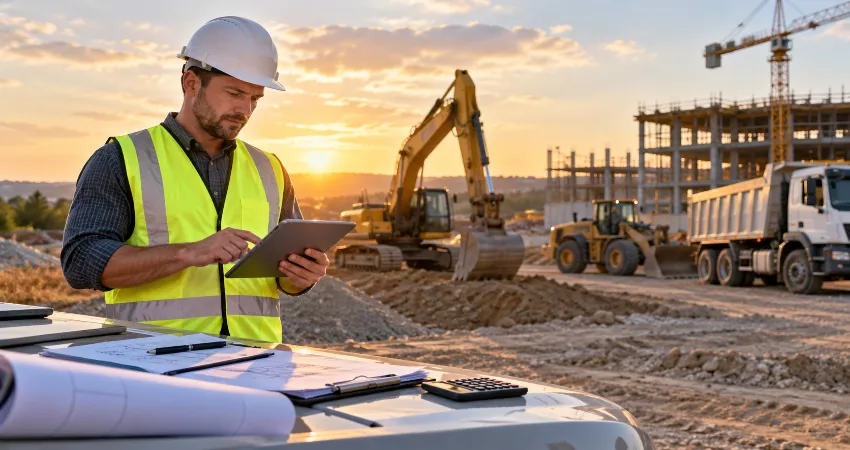
Construction companies depend on expensive equipment to keep projects moving. Excavators, loaders, cranes, skid steers, dump trucks, compactors, and surveying systems can improve productivity, but paying cash for every purchase can put unnecessary pressure on working capital. Equipment financing allows contractors to acquire essential assets while spreading the cost over time.
The best decision is not simply the lowest monthly payment. Financing should match the equipment’s useful life, expected utilization, project pipeline, maintenance burden, and resale value. When financing is aligned with how an asset earns money, a contractor can protect liquidity while building long-term operating capacity.
This guide explains the main financing solutions available to construction companies, what lenders commonly evaluate, and how contractors can choose a structure that supports growth without creating excessive financial strain.
Why Equipment Financing Matters in Construction?
Construction businesses often face a timing gap between expenses and customer payments. Payroll, fuel, materials, insurance, and equipment costs may be due before progress payments arrive. Using most available cash to buy a machine can therefore weaken the company even when the purchase makes operational sense.
A practical approach is to finance long-lived productive assets with repayment periods that reflect their economic life. The equipment should generate enough value to help cover its own debt service while leaving room for normal project delays, repairs, and slower periods.
Equipment Loans
A traditional equipment loan provides funds to purchase a specific asset, with repayment through scheduled installments. The equipment commonly serves as collateral. This option works well when a contractor expects to keep the machine for most of its useful life and wants ownership and residual value.
Before signing, compare the down payment, rate, fees, term, prepayment rules, collateral requirements, and any personal guarantee. A low payment may look attractive, but an unnecessarily long term can increase total cost and leave debt outstanding after the equipment has lost much of its value.
Equipment Leasing
Leasing can be useful when flexibility matters more than immediate ownership. The company uses equipment for an agreed period and makes regular payments. Depending on the contract, it may return the asset, renew the lease, or purchase it later.
This structure can suit equipment needed for a limited project cycle or assets that become outdated quickly. Contractors should review total payments, maintenance responsibilities, usage limits, return conditions, and purchase options. Monthly cost alone does not show the full economic impact.
SBA Financing for Eligible U.S. Construction Companies
Eligible U.S. small businesses may also consider Small Business Administration programs. SBA 7(a) loans can be used to purchase and install machinery and equipment and may also support working capital and other qualified needs. This can be helpful when equipment is part of a broader expansion plan.
SBA 504 financing is designed for major fixed assets and can cover qualifying long-term machinery and equipment with at least 10 years of remaining useful life. Contractors should compare SBA-backed financing with conventional offers because eligibility, documentation, speed, and project structure differ.
Business Lines of Credit Require Caution
A business line of credit is useful for short-term needs such as payroll gaps, fuel, small tools, or mobilization. It is usually a poor match for a large machine expected to work for many years. Using revolving credit for heavy equipment can also reduce the cash cushion available when receivables are delayed or unexpected repairs arise.
New Versus Used Equipment Financing
New equipment may offer stronger warranties, modern technology, lower early maintenance costs, and longer service life. Used equipment can reduce acquisition cost and may provide excellent value when it has a strong maintenance history and stable resale market.
For used machinery, review age, hours, condition, service records, attachments, serial numbers, inspection results, and market value. A lower purchase price is not automatically a better deal if downtime and repairs raise total ownership cost.
What Lenders Commonly Evaluate?
Lenders usually evaluate both repayment capacity and collateral. Expect questions about revenue, profitability, existing debt, cash flow, credit history, equipment value, management experience, and the reason for the purchase.
A strong application typically includes organized financial statements, tax returns, bank statements, accounts-receivable aging, current debt schedules, project backlog, and equipment details. Explain clearly whether the asset will replace rental expense, increase capacity, reduce downtime, or support contracted work.
Match the Financing Term to the Asset
One common mistake is stretching payments beyond the period in which the asset is likely to remain productive. Another is choosing a term that is too short and creates heavy monthly obligations. The right structure should balance total cost with cash-flow resilience.
Estimate annual utilization, maintenance, insurance, fuel, operator cost, downtime, and expected resale value. Then compare those figures with debt service. If the machine only works financially under perfect utilization, the purchase may be too aggressive.
Consider Tax Treatment Before Closing
Equipment purchases may qualify for depreciation deductions under U.S. tax rules. IRS Publication 946 explains depreciation methods and Section 179. For tax years beginning in 2026, the IRS lists a maximum Section 179 deduction of $2.56 million, subject to applicable limits and eligibility rules.
Tax benefits should never be the only reason to buy equipment. Contractors should consult a qualified tax professional before closing because business structure, equipment type, taxable income, and the placed-in-service date can affect treatment.
A Practical Decision Framework
Start with the job the machine must perform. Identify whether it will replace rentals, reduce subcontracting, improve cycle time, expand project capability, or replace an unreliable unit. Estimate the monthly economic benefit and compare it with the full monthly ownership cost.
Next, request comparable proposals using the same purchase price, down payment, and term. Compare total financing cost, not just the payment. Finally, test the purchase under a conservative scenario with lower utilization and slower collections. A sound structure should remain manageable without draining working capital.
Questions And Answers
1. What is equipment financing for a construction company?
It is funding used to acquire machinery, vehicles, or other productive assets without paying the entire cost upfront. It may take the form of a term loan, lease, SBA-backed loan, or another structured arrangement. The best choice depends on asset life, cash flow, and ownership goals.
2. Can a new construction company qualify?
Yes, although newer companies may face stricter requirements. Lenders may rely more heavily on owner credit, industry experience, down payment, cash reserves, project contracts, and equipment value because the business has limited operating history.
3. Is financing better than leasing?
Financing may be better for long-term use when ownership and residual value matter. Leasing may be better when equipment needs change frequently. Compare total payments, maintenance, fees, taxes, and end-of-term obligations rather than looking only at monthly cost.
4. How much down payment is required?
There is no universal amount. Requirements vary by lender, borrower strength, equipment age, transaction size, and program. A larger down payment may reduce monthly debt, but contractors should avoid using so much cash that working capital becomes tight.
5. Can used construction equipment be financed?
Yes. Lenders commonly consider used equipment when condition, value, documentation, and remaining life support the transaction. Older assets may receive shorter terms or require more equity, making a professional inspection especially useful.
6. What documents should a contractor prepare?
Common documents include tax returns, financial statements, bank statements, debt schedules, accounts-receivable reports, equipment quotes, and business ownership information. Project backlog and a short explanation of the equipment’s expected financial benefit can strengthen the application.
7. Can the equipment serve as collateral?
Often, yes. The purchased asset commonly secures the financing. However, a lender may request additional collateral or guarantees depending on the borrower’s financial profile and the equipment’s resale value.
8. How should financing offers be compared?
Compare the rate, fees, down payment, repayment term, payment frequency, prepayment provisions, collateral, guarantees, and total amount repaid. Also consider documentation burden and whether the structure leaves enough liquidity for operations.
9. Should a company finance equipment if it has enough cash?
Possibly. Paying cash avoids financing cost, but it reduces liquidity. Financing may be sensible when preserving cash protects payroll, materials, mobilization, and emergency reserves. The decision should compare the value of liquidity with the cost of borrowing.
10. What is the biggest mistake to avoid?
The biggest mistake is financing a machine before proving that it fits the company’s workload and cash flow. Equipment should have a clear operational purpose, realistic utilization assumptions, manageable total cost, and enough financial margin to withstand slower months.
Conclusion
Equipment financing can help construction companies expand capacity while preserving cash, but the structure should match the asset and the business. Compare loans, leases, SBA options, and available cash using total cost, useful life, utilization, and repayment capacity. The strongest choice keeps the equipment productive and the company financially flexible.